University of Oxford
11a Mansfield Rd
OX1 3SZ
UK
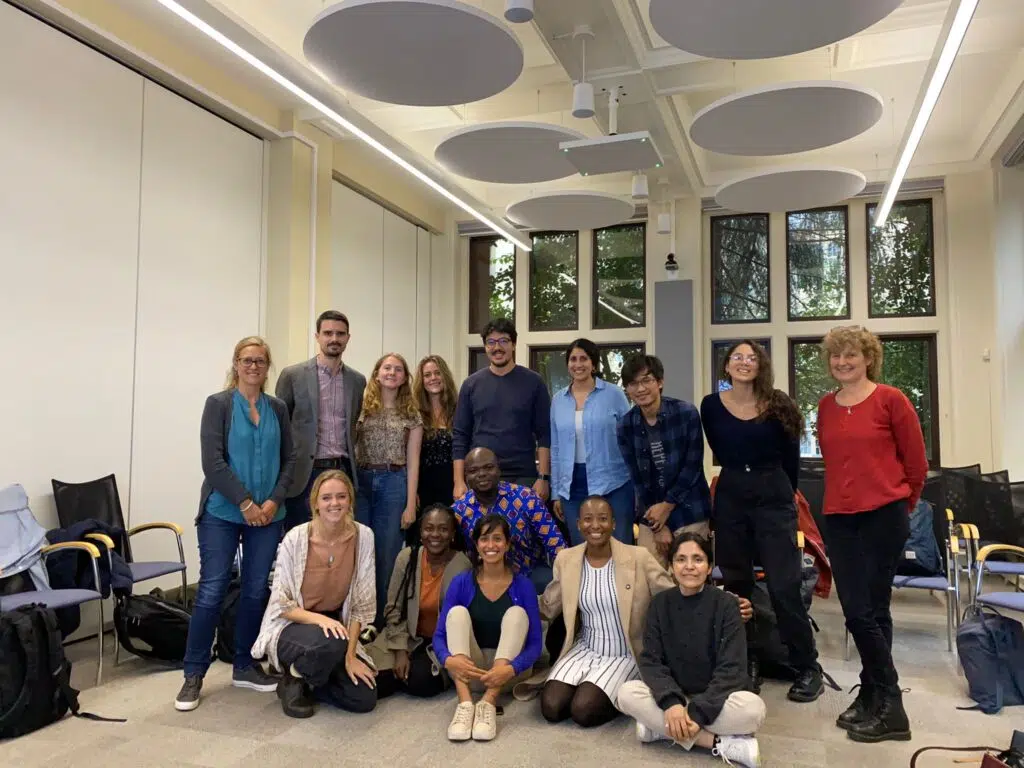
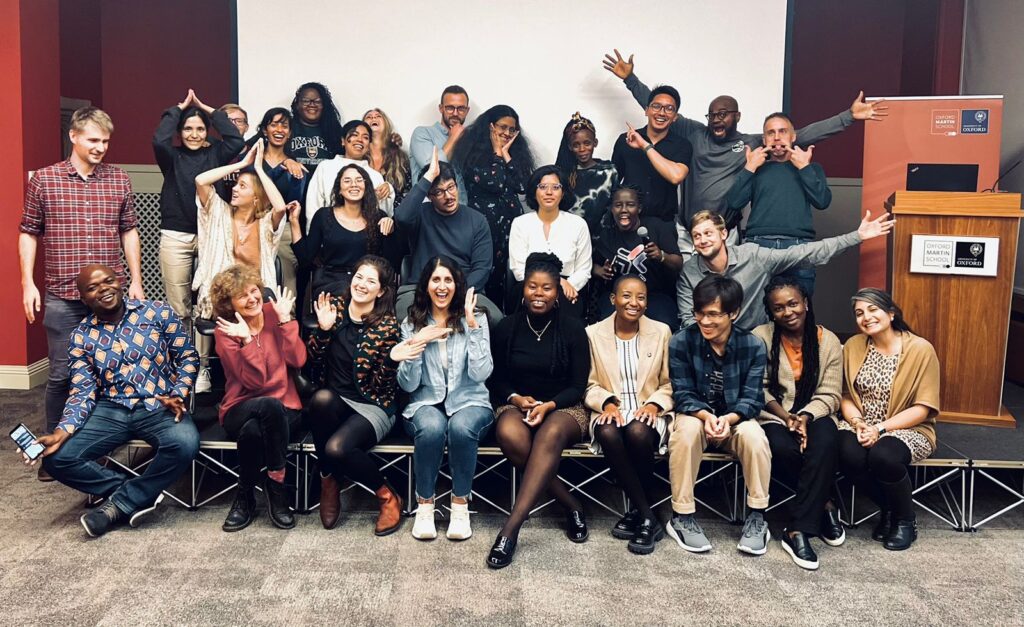
The Interdisciplinary Conservation Network (ICN) provides an opportunity for early career researchers to hone key skills, build new networks and work collaboratively to develop cutting-edge research in the field of conservation. ICN 2025 will be held in a similar format as the previous ICN, with a virtual component and an in-person workshop. The workshop will be held at Nelson Mandela University, George, South Africa, between 6th-10th October 2025, and will be supported by virtual theme meetings held before and after the workshop.
Organising committee:
- ICCS theme leaders: Lessah Mandoloma, Jasmin Willis, Emily Lewis-Brown
- Non-ICCS theme leaders: Shahzoda Alikhanova, Celesté Maré, Zibanani Seletlo, Melissa Felipe Cadillo
- ICCS group coordinator: Lucy Radford
ICN 2025 will focus on three different research themes:
- Theme 1: Advancing inclusive conservation through intersectionality and interdisciplinary researchThe biodiversity crisis demands interdisciplinary research addressing the complex socio-ecological dynamics of conservation challenges and how to address them. While such approaches are valuable, they often risk overlooking key forms of diversity, particularly those rooted in socioeconomic status, culture, and identity. There is a growing need to integrate intersectional perspectives into research and practice to promote more inclusive and effective conservation. Although increasingly recognised in discussions around human well-being and environmental justice, intersectionality remains underutilised in empirical conservation research, with few existing frameworks to guide its application.
This theme aims to bring together a diverse cohort of early career researchers to collaboratively explore and advance the use of intersectionality in conservation. Participants will critically examine how integrating social dimensions such as gender, culture, and power dynamics can improve the inclusivity and impact of conservation science and practice and consider how future conservation work can better adopt intersectional approaches.
Theme 2: Navigating conflicts in area-based conservation
As global commitments to area-based conservation intensify – most notably through initiatives like the 30 by 30 target – so too do the complexities surrounding their implementation. While setting aside land and sea for conservation can yield critical ecological benefits, these efforts frequently intersect with contested spaces and realities, existing livelihoods, and long-standing claims by local and indigenous communities. This research theme aims to critically examine the multiple dimensions of conflicts in area-based conservation: from the politics of territory and access to the lived experiences of communities on the ground.
By bringing together researchers, practitioners, policymakers, and community voices in an open, interdisciplinary, and forward-looking discussion, we seek to unpack not only the drivers of these tensions but also strategies for more equitable and effective conservation outcomes. As a key outcome of the collaborative work, we aim to develop a high-impact opinion paper that synthesises insights from the workshop and informs future policy and research directions.
Theme 3: Just conservation: reimagining equity, diversity and inclusion in conservation careers
Building a career in conservation often relies on long-distance travel for fieldwork, training, and collaboration. Recently, deepening inequalities, growing calls to decolonise science, and attempts to limit climate change, offer opportunities to consider new ways of working that rebalances access to opportunities, protects the environment, and values all voices.
Many early career researchers face barriers that limit their access to opportunities related, for example, to travel (e.g., visas, financial, health-related, linguistic, or caring responsibilities), while institutions continue to promote travel (including flying) as prestigious with fieldwork and collaboration in remote regions. This often excludes researchers who cannot travel and may displace local experts – reinforcing extractive research models (i.e., “parachute science”). Furthermore, senior academics fly more regularly than early career researchers, raising questions about access to opportunities within departments. This theme invites early career researchers to collaborate and explore questions of their choice within this theme, including experimenting with new online and hybrid approaches to collaboration. The outputs from this theme will include writing up recommendations in the form of a journal article. Participants will also develop new skills, learn new concepts and build new connections.