University of Oxford
11a Mansfield Rd
OX1 3SZ
UK

16th December 2025
5 minutes read
Written by Bibek Raj Shrestha, a participant in this year’s Interdisciplinary Conservation Network.
Arrivals and excitement
With the onset of October, I was excited to be heading to South Africa to attend the Interdisciplinary Conservation Network (ICN), my first time ever in the continent. As I watched the landscape shift from sparse vegetation to deserts and dunes mid-air through the flight window, it felt new and exciting to eyes more used to forests and mountains.
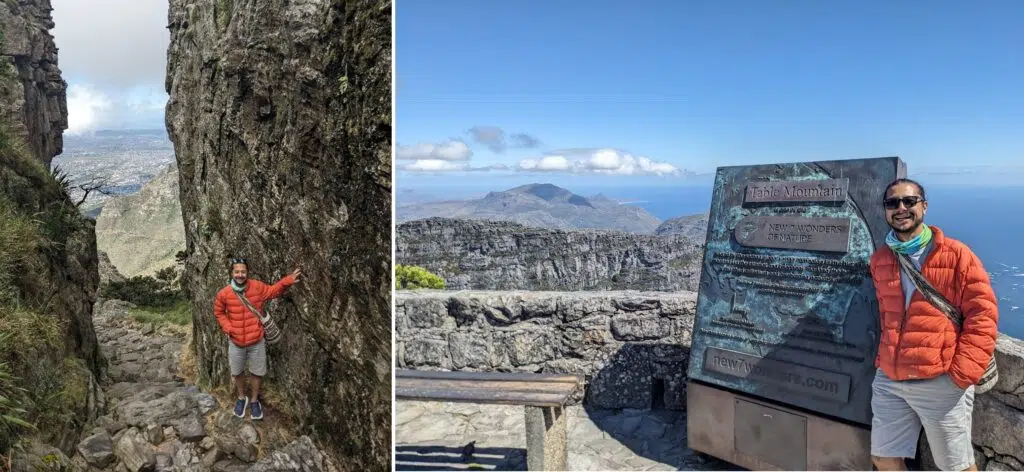
Jet-lagged and tired, I still pushed to join an early parkrun the next morning in Cape Town. The body was happy and recharged with sunshine and a view of the iconic Lion’s head. The next day, with new friends I had met at the parkrun, I went to hike Table Mountain (I still struggle with the idea of calling a mountain a table). On the long bus ride to George, I made a young eight year old friend sitting next to me who explained how Christmas feels confusing for her – as it’s spring there, there’s no snow and the idea of Christmas feels very different from what she sees in the movies.
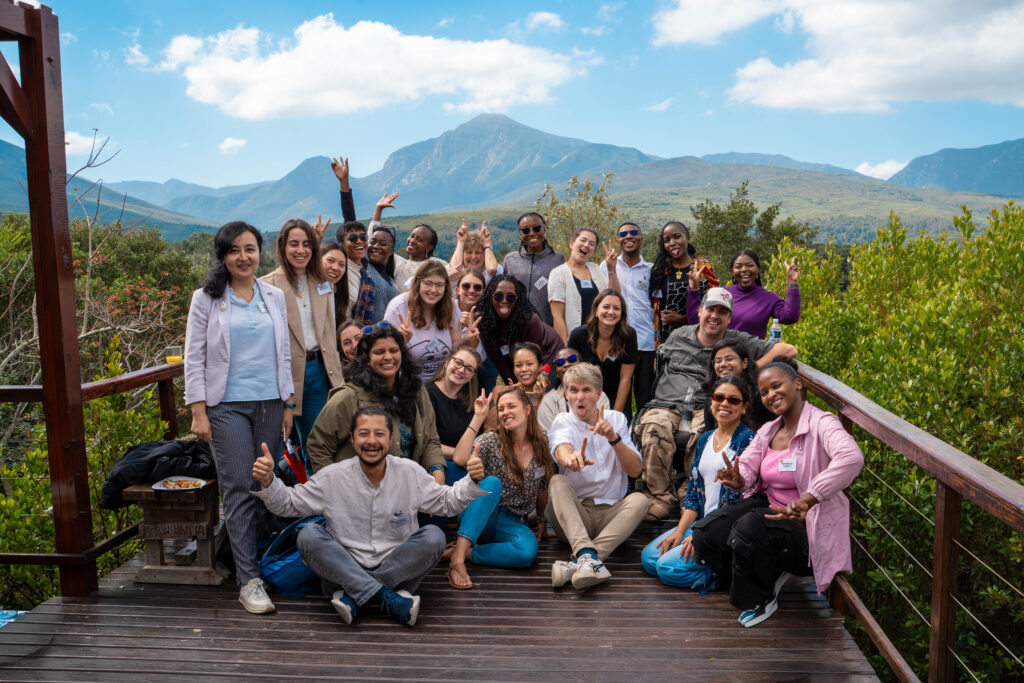
With these small and friendly encounters, I arrived in George. The George Campus of Nelson Mandela University hosted the workshop around lush greenery and hills on the backdrop, an inspiring place to gather, and to think of, about and with nature. On the very day of arrival, we were welcomed by the excited spotting of a Western Natal green snake, a fitting reminder of where we were.

A pause before we began
Tim paused us even before we started.
On the very first day, as I was readying to listen about conservation and other big and new things, he spoke openly about mental health and the pressures of academic life – his own experience of burnout and relying on medication and help.
What stayed with me was not just his story, but the permission to be honest: that our work matters, but we cannot do everything. To remember to be humane to ourselves and that our lives and identities are larger than academic success. These were grounding reminders, thank you Tim, for sharing
—-
When conservation creates conflict
I was part of theme 2 – Navigating conflicts in area-based conservation. I joined this theme because it aligns closely with my PhD and with a broader global moment in conservation. With commitments such as 30×30 – protecting 30% of terrestrial land, the question is no longer whether we expand protected areas, but how we do so: scientifically, ethically, and humanely.
I came with carrying assumptions shaped by traditional ideas of protected areas and strict nature reserves as necessary tools for wildlife protection. But these ideas are not neutral.
As our discussions unfolded, I found myself reflecting on the colonial roots of conservation – the idea of “pristine” landscapes, emptied of people, and the violent histories of displacement that followed. These were not stories I encountered in textbooks growing up.
I was grateful to have previously been exposed to these perspectives through a course with the Nature Conservation Foundation (NCF) in India, where conservation was discussed alongside politics, power, and governance. ICN allowed me to revisit these questions in a global setting and to sit with the discomfort rather than rush to solutions.
What I found most striking was how differently we understood “conflict” depending on where we came from. In some contexts, conflict meant negotiation. In others, it meant survival. These differences mattered, and they allowed me to explore and confront my own thinking about conservation in Nepal, where land is deeply tied to livelihoods, culture, and identity.
—-
Beyond the schedule
Some of the memorable memories of the ICN were beyond the formal sessions – in conversations during walks and meals.
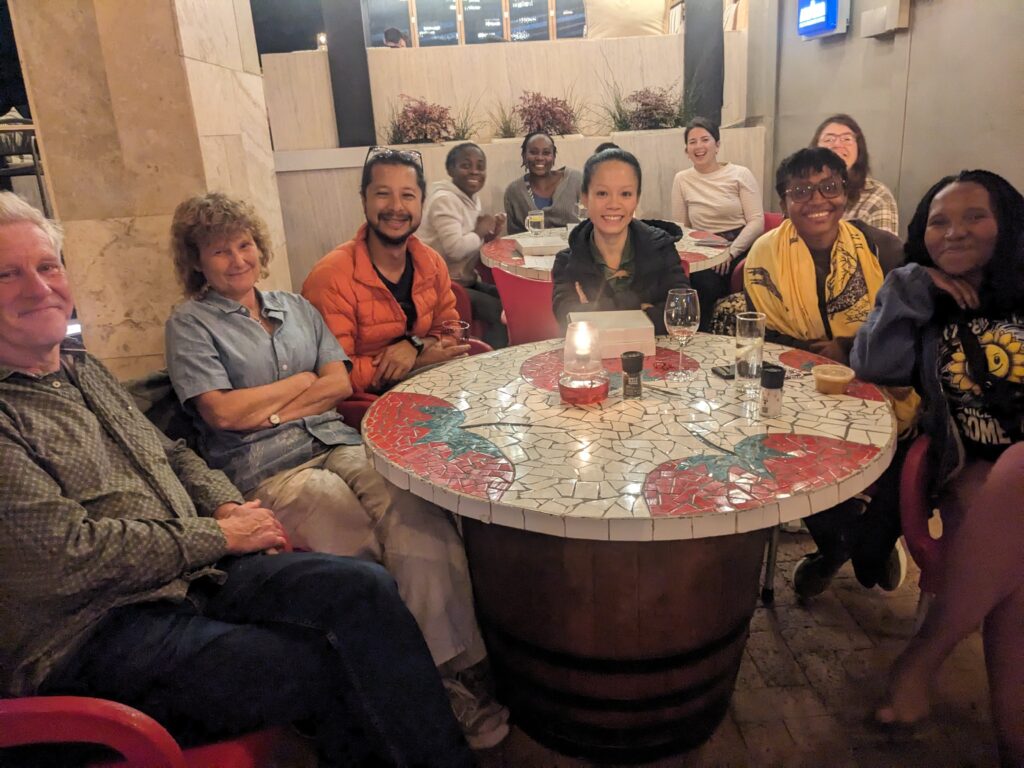
Over pizzas at Pomodoro, stories moved easily between life and work. EJ spoke openly about the grants that didn’t come through while she was attending the workshop. I also shared that this is my second time applying to ICN. Alongside these honest exchanges, we also celebrated a friend starting a postdoc, cheered someone heading to a conference, and helped another think through scholarship options for a master’s degree.
The network felt like a generous community of sharing and helping researchers at different stages with encouragement and support.
Looking ahead
The collaboration continues. Our theme group meetings now stretch across time zones, busy schedules, and disciplinary differences. But that is also the beauty of interdisciplinary work: it stretches you, and it reminds you that meaningful research is built slowly, with patience and care.
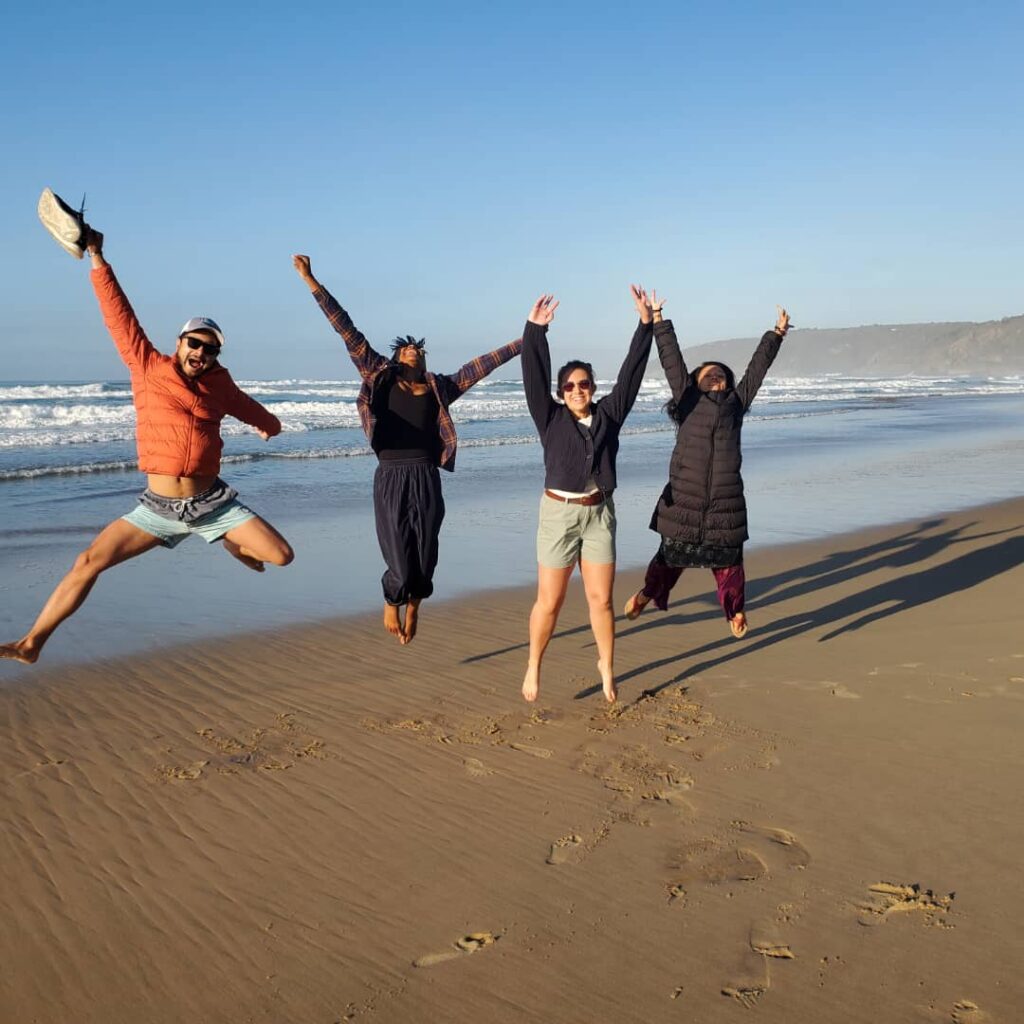
(I am deeply thankful to the South and East Network for Social Sciences, (SENSS), for supporting my travel to South Africa, to Reshu ji and Maya for their time reviewing my application, and to the organizers for making ICN in South Africa possible – it was logistically challenging, but definitely rewarding and exciting!!)
Author
Having completed a Masters in Primate Conservation, I went on to work for several years with a conservation NGO focused on the social dimensions of Barbary macaque conservation in Morocco, and then accepted a communications role at a Sumatran orangutan charity.
I am delighted to be a part of ICCS, to be immersed in the world of interdisciplinary conservation research, and to be able to support the exciting and vital work carried out by the group.