University of Oxford
11a Mansfield Rd
OX1 3SZ
UK
20th October 2025
4 minutes read
By Sonakshi Srivastava, a participant in the Interdisciplinary Conservation Network 2025.
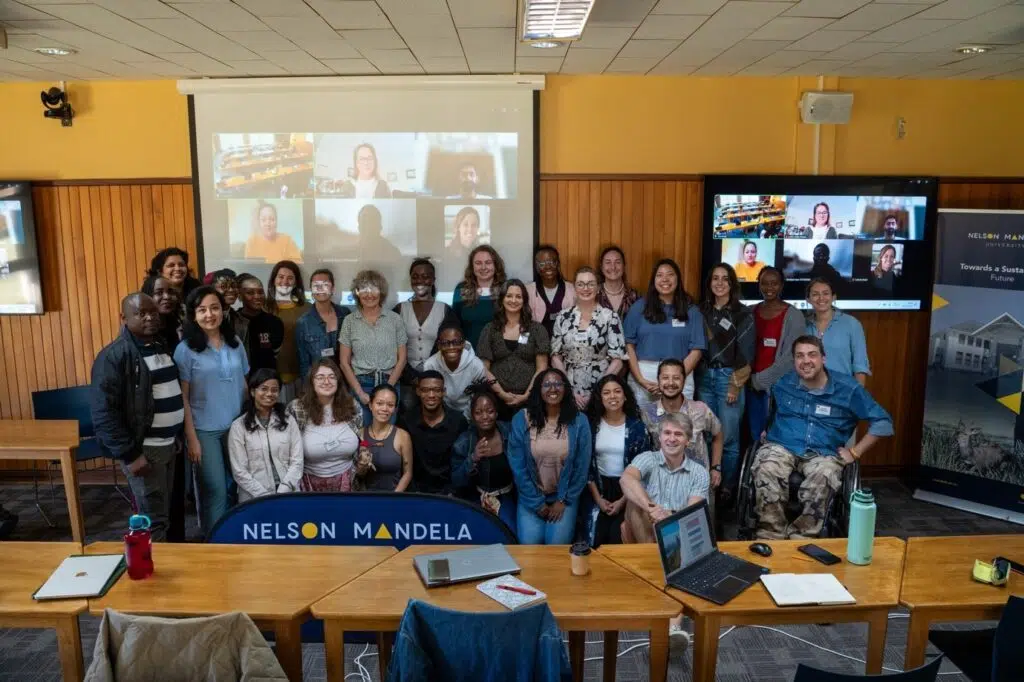
I am not going to lie: as a social scientist, I am still a little scared of natural scientists. It is hard to move past an education system that builds deep gorges between disciplines early on and asks you to pick a team at sixteen. So when we inevitably switch teams later in life—at 21, 35, or 57—we naturally feel a little out of place. But I never felt out of place for a moment at the Interdisciplinary Conservation Network (ICN) workshop organised by Oxford University’s Interdisciplinary Centre for Conservation Science (ICCS). This biennial workshop brings together conservation professionals from across the world and across disciplines to think together about some of conservation’s most pressing problems. This year, we explored three themes—intersectionality, conflict in area-based conservation, and just conservation—while surrounded by the beautiful mountains of the Western Cape in South Africa and generously hosted by Nelson Mandela University. The workshop also welcomed online participants who could not join us in person.

I was part of Theme Two, which focused on conflict in area-based conservation. We began with the usual excitement of people passionate about the same things finally meeting. With guidance from our brilliant theme leaders—Shahzoda, Celeste, and Melissa—we mapped conflict issues across South Africa, Nigeria, Zimbabwe, India, Nepal, Uzbekistan, and Peru. By day two, our conversations became more specific but also more complex. The broad nature of conservation conflict and the sensitivity of some topics made it difficult to move forward at times. But by day three, we made real progress by following the wise advice of our theme mentor, Dr Timothy Kuiper, who encouraged us to “keep it simple but specific.” By repeatedly asking ourselves, what is the story we are trying to tell? we finally found a structure that worked. We called it our “conflict sandwich” (you’ll have to read our upcoming publication to find out what that means). I’m excited to continue this collaboration online, my calendar already has several ICN slots blocked off.
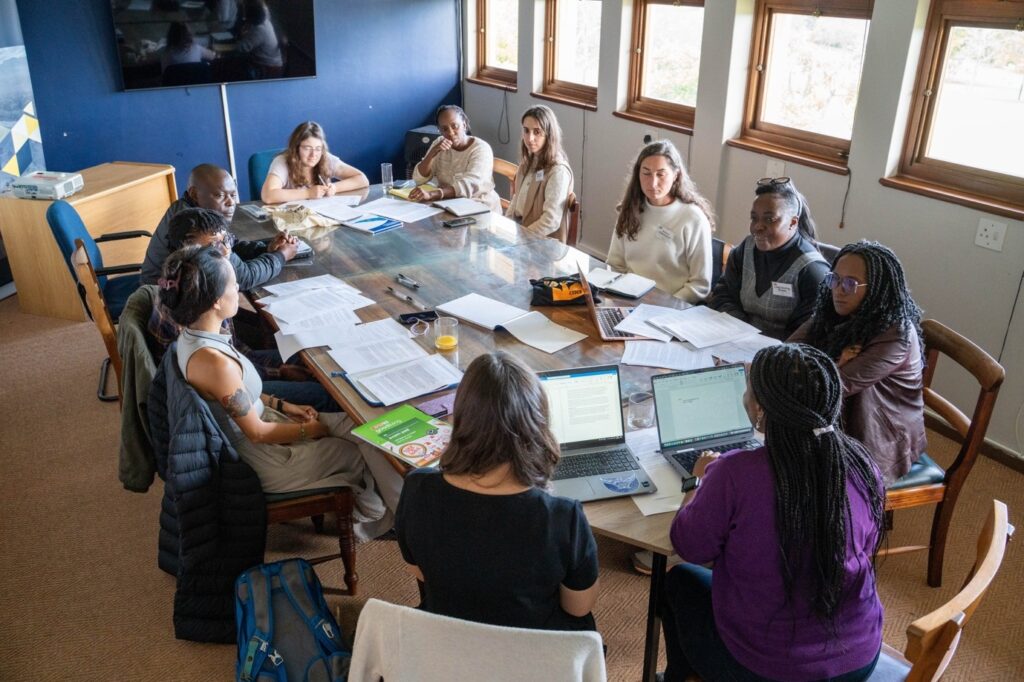
Each day also included time for discussions beyond our main themes, conversations about the realities early-career researchers face, like ethics, mental health, diversity and inclusion, and career choices. In the career’s session, we spoke about the challenges women in academia often face. In the ethics session, we reflected on parachute research and what it takes to build long-term, respectful collaborations. In the DEI session, we confronted the persistent inequalities within conservation practice and research. These discussions were honest, emotional, and necessary. They branched in many directions and could easily have gone on for days.
But the highlight of ICN for me was the people. Their presence reminded me of what interdisciplinarity truly looks like and what it takes to build it. Among the participants were researchers in their first jobs, some who had just completed PhDs, some thinking of applying for one, some working deeply with their local landscapes, some who had travelled outside their country for the first time, and others returning to research after years in industry. It was a powerful reminder that early-career researchers come in all shapes and persistent effort is required for us to flourish. For some, this will be their first academic publication; for others, their first real collaboration; and the more experienced among us will guide the way.
In the same way, conservation problems cannot be solved by one kind of expertise alone. They require people from different fields to come together with patience, respect, and openness. No one needs to know everything, but everyone needs to be willing to learn. Interdisciplinarity doesn’t happen by accident, it takes continuity and consistent effort. ICN is a great example of that: participants often return, becoming theme leaders and eventually mentors, carrying forward a culture of curiosity, rigour, and friendship. And somewhere in between working hard and laughing a lot, we begin to build a shared language, one that makes space for all of us.
Author
Having completed a Masters in Primate Conservation, I went on to work for several years with a conservation NGO focused on the social dimensions of Barbary macaque conservation in Morocco, and then accepted a communications role at a Sumatran orangutan charity.
I am delighted to be a part of ICCS, to be immersed in the world of interdisciplinary conservation research, and to be able to support the exciting and vital work carried out by the group.